What It Is Used For
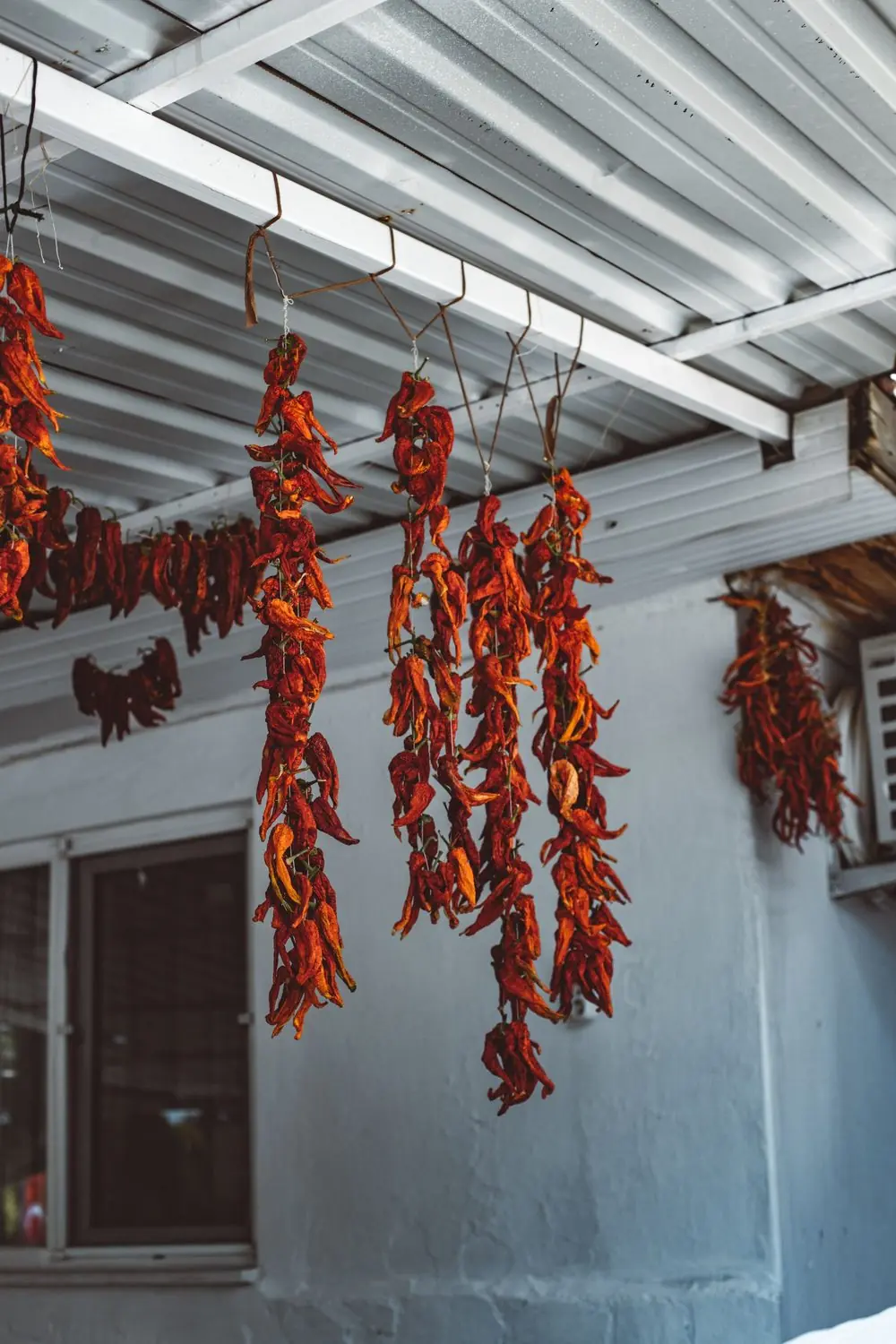
Three applications dominate. Oleoresin and colour extraction is the largest — Byadgi's colour yield per tonne is what makes the extraction economics work. Mild masala and curry powder blends are the second, where it supplies the visual identity while a small proportion of a hotter variety supplies the heat. Retail whole-chilli lines are the third, where the distinctive wrinkled pod is recognisable to consumers in South Indian cooking.
It is also commonly blended with Teja or Sannam to hit an agreed point on both scales at once — which is exactly how our red chilli powder is built to a 60–120 ASTA and 25,000–50,000 SHU specification without anything being added to it.
Sourcing and Testing
Byadgi is grown in the Haveri belt of Karnataka and dried to the same discipline as our Guntur material: 10–11% moisture, turned daily, hand-sorted after stemming. Because colour is the reason the variety is bought, drying is watched more closely here than anywhere else in the range — an over-long dry-down costs exactly the property you are paying for.
Every lot carries batch-level ASTA and SHU figures, plus aflatoxin, ochratoxin A and Sudan dye screening. Quote the ASTA figure you need and we will tell you honestly whether the current crop can meet it.